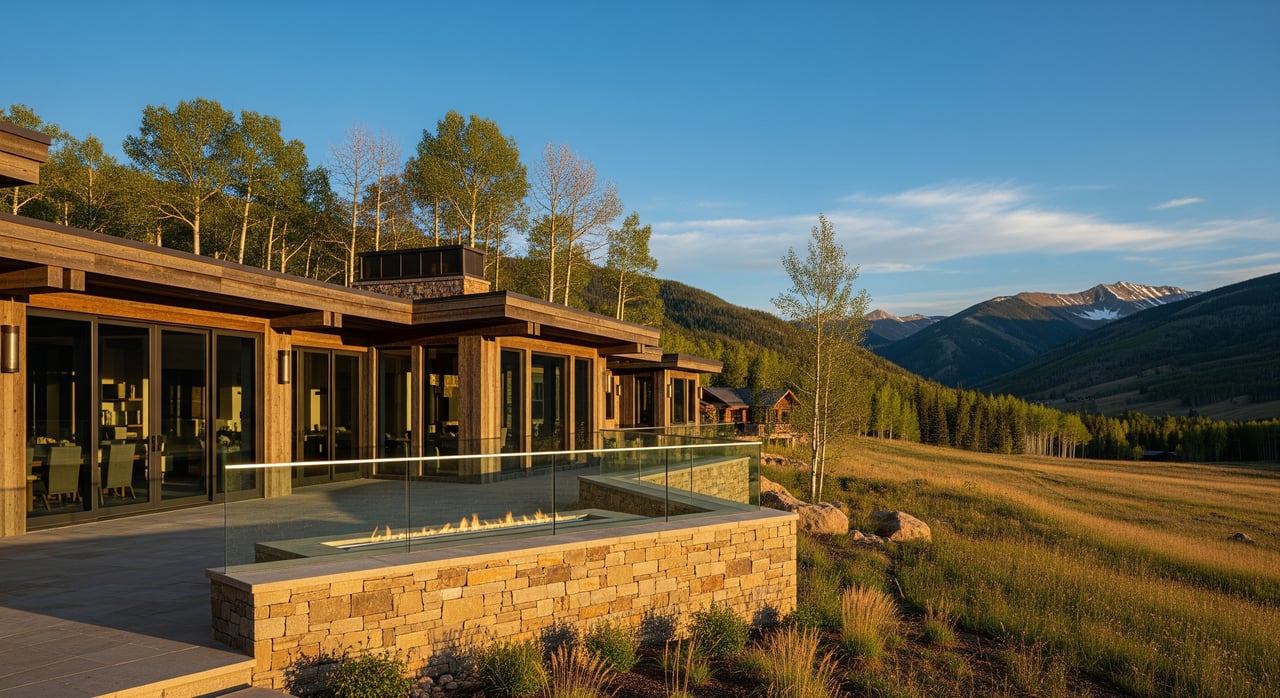
North or South West Vail? A Buyer’s Orientation Guide
Wondering why some West Vail homes feel bright and sun-soaked while others hold snow late into spring? Orientation can make a real difference in this valley. If you are weighing North vs South in West Vail and Cascade, you want the facts on sun, snow, access, and how those details affect daily life and long-term ownership. This guide breaks it down so you can choose the side that fits your lifestyle and maintenance goals. Let’s dive in.
North and south in West Vail typically refer to the two sides of Gore Creek and the I-70 corridor. The differences happen block by block, not town by town. South-facing slopes usually get more winter sun. North-facing pockets stay cooler and hold snow longer. Both sides offer quick access to the Vail shuttle, trails, and services, with micro-variations in noise, privacy, and views.
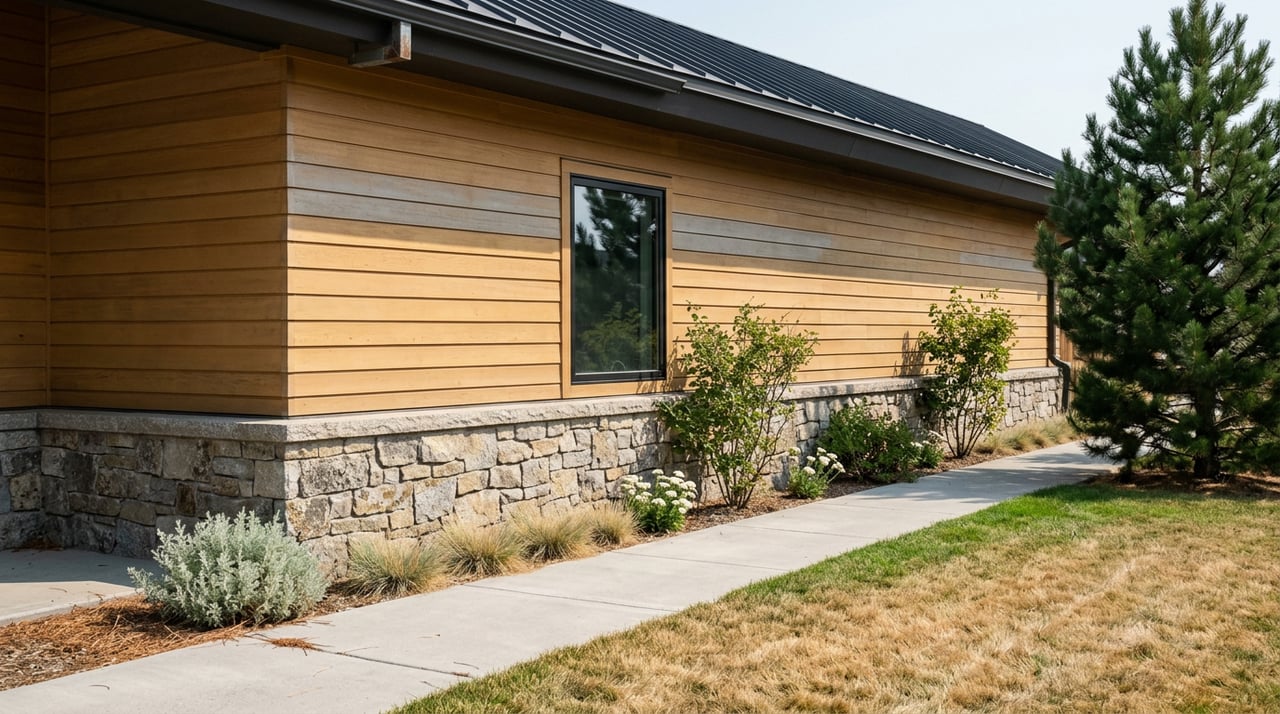
South-facing homes tend to get stronger winter sun. That extra daylight can mean brighter interiors and faster snowmelt on roofs, decks, and driveways. You may see more passive solar warmth and earlier spring conditions in the yard. Roofs with southern exposure often suit solar panels, and many owners enjoy more usable shoulder-season outdoor time.
North-facing homes stay cooler and shaded longer during winter. Snow and ice can linger on paths, decks, and roof edges, especially in shoulder seasons. Expect more frequent attention to icy spots and potential icicles. Landscaping choices tilt toward shade-tolerant plants, and you may plan for a slightly shorter outdoor season.
All Vail-area properties are designed for significant snow loads, but individual roof types and features matter. Steeper roofs shed snow faster. Low-slope or flat roofs sometimes use heated systems and require more frequent monitoring. When you tour, look for snow guards, heated gutters, and heat-traced walkways or driveways.
Ask about any history of ice dams or roof leaks and request maintenance records. Local building requirements adopt national standards with local amendments. For specifics on roof-snow design, consult the Town of Vail building department or Eagle County building teams, and engage a licensed structural engineer if you need parcel-level guidance.
West Vail and Cascade are served by the free Vail town shuttle, which connects to Vail Village and Lionshead. Check seasonal schedules and frequency for the stop closest to the property you are considering. Many buyers prioritize a short walk to a shuttle stop, especially for ski days.
For regional connections, ECO Transit links the valley and airport corridors. You can review routes and options through Eagle County’s ECO Transit. If you plan frequent trips to Eagle County Regional Airport or Denver, factor in winter weather, traffic, and driveway slope. Properties near I-70 can offer quicker vehicle access, with varying levels of traffic noise depending on distance, elevation, and tree cover.
West Vail sits on a network of paved multi-use paths and singletrack along the valley. Access is often excellent on both sides of the creek. Some blocks put you right on a path entrance while others require a short walk or crossing a bridge. To explore routes and recreation offerings, start with the Vail Recreation District.
If you are near Gore Creek, review floodplain context and any mitigation requirements. Parcel-level details are available through the Eagle County Assessor. Confirm HOA rules for easements, path access, and any seasonal restrictions.
Views and privacy vary more by distance and elevation from the corridor than by north vs south. Many south-facing slopes capture down-valley sun and mountain vistas, which can influence pricing. Homes set back from I-70 or elevated above it often feel quieter and more private. Always walk the block, listen at different times of day, and note proximity to shuttle transfer points.
You will find a healthy mix of condos and townhomes closer to commercial nodes and shuttle stops. These are popular with buyers who want low maintenance and easy transit access. HOAs often handle snow removal and exterior care, so you can focus on lifestyle.
Detached homes and duplexes tend to sit on quieter side streets or slightly uphill from the valley floor. You will see older ranch styles alongside newer remodels and infill. Orientation still matters, but lot size, privacy, and updates often drive desirability on both sides of West Vail and Cascade.
Market conditions shift with seasonality and broader trends. Review recent block-level comps with a local pro and verify details in public records through the Eagle County Assessor.
Snow removal is a big variable. Some associations cover driveways and walkways. Others leave it to owners. Ask about scope, timing, and budget during due diligence. Review the heating system type and age, insulation levels, and any freeze-prevention systems such as heat-traced lines.
Parking rules also vary, especially in winter when street parking can be limited during snow operations. If you plan any short-term or seasonal renting, review local rules and permit requirements with the Town of Vail and your HOA. Orientation does not usually affect HOA fees, but shared amenities and snow obligations do.
Choose south if you want more winter sun, faster melt on outdoor surfaces, and the potential for passive warmth. Pick north if you prefer cooler interiors, do not mind longer snow retention, or value specific blocks that trade shade for extra privacy. On both sides, micro-location within a block often matters more than the label. Stand at the property, listen, watch the light, and picture your day-to-day.
If you want a second set of eyes on orientation, roof systems, and HOA obligations, a local advisor can help you compare blocks in West Vail and Cascade and plan for winter operations. Ready to find your fit? Reach out to Brooke Gagnon for a concierge tour and a tailored market consultation.

Her vast knowledge of the area coupled with her international experience allows her to assist all local, second homeowner and international clientele alike. Contact her today!
56 Edwards Village Blvd #214 Edwards CO 81632