Understanding Beaver Creek HOA Dues and Coverage
Wondering what your Beaver Creek HOA dues actually pay for? If you are comparing condos across buildings, it can be hard to understand why fees vary so much. You want a clear picture of what is included, what is not, and how that affects your total cost of ownership. This guide breaks down the typical coverage, explains why dues differ, and gives you a checklist to evaluate any property with confidence. Let’s dive in.
In Beaver Creek, most condos are part of a building-level association and also one or more master associations that handle village-wide services. That means you may pay dues in more than one layer. What is included depends on the governing documents for each association.
You will see a wide range of coverage. Some buildings focus on basic maintenance, while others include concierge, shuttle access, utilities, and spa-style amenities. The key is to verify each line item so you can compare properties on equal terms.
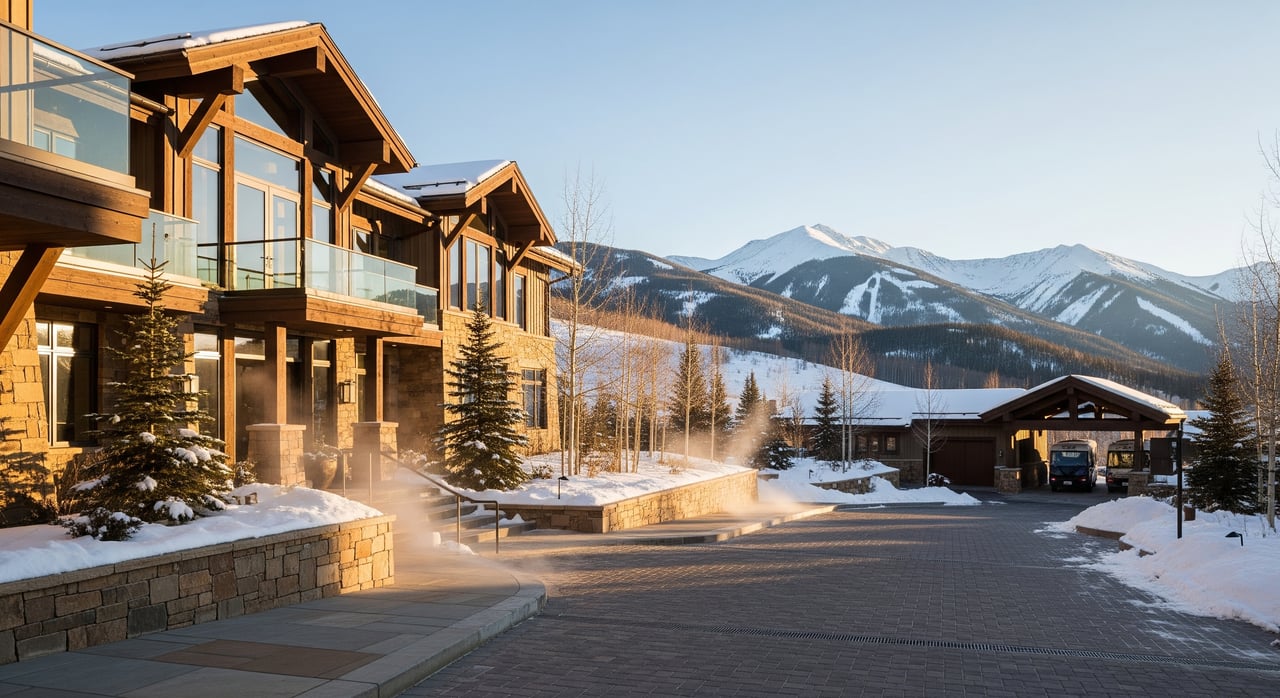
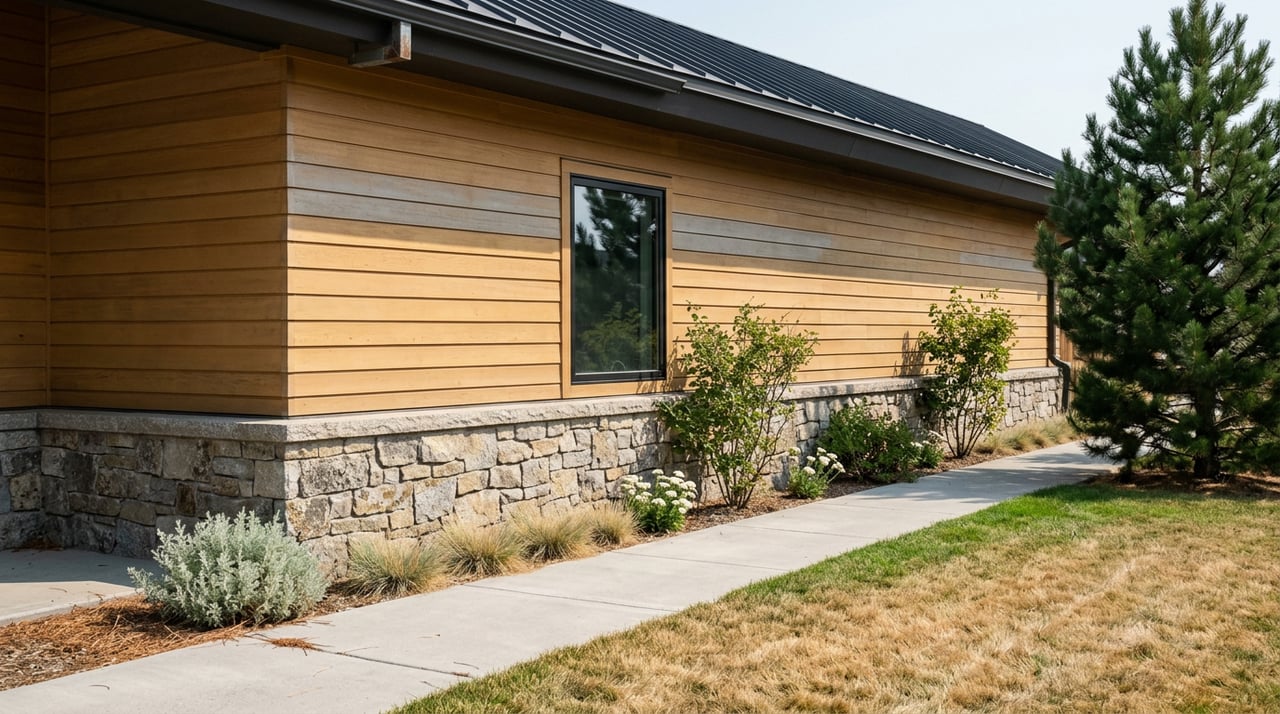
Most associations fund exterior maintenance for the building, including roofs, siding, decks, and exterior painting. Landscaping, grounds care, and common-area cleaning are also typical. In mountain settings, common-area snow removal for drives, access roads, parking lots, and sidewalks is a major line item. In the village core, some properties maintain heated walkways or covered entries.
These services keep the property looking sharp and functioning in winter. Ask how often common areas are serviced and who handles seasonal work.
Associations usually pay for common electric, water, sewer, and gas that serve shared systems and exterior lighting. Building systems like elevators, mechanicals, and fire and safety inspections are typically covered as well.
In some luxury or fully serviced buildings, in-unit utilities may be included in the dues. That can include water, gas for fireplaces, and even electricity. This varies by building, so confirm in writing what the association pays and what you pay directly.
Amenities are a major driver of higher dues. Pools, hot tubs, saunas, and fitness centers add operating and maintenance costs. On-site staffing, such as a concierge, front desk, bell staff, security, or a porter, increase budgets.
Transportation services may be provided at the village level or by a specific building. Shuttle access that connects to lifts, the village, and parking is common in resort communities. If a property operates its own shuttle or valet, expect that to be reflected in dues.
Associations carry master insurance policies that cover common areas and association liability. Administrative expenses, including management company fees, legal and accounting costs, and any administrative staff, also come from dues.
A healthy reserve fund is critical. Reserves pay for future capital repairs, like roofs, elevators, paving, and major mechanical replacements. Ask for the most recent reserve study, the funding plan, and the current reserve balance.
Trash and recycling for common areas are usually included. Some buildings have in-unit trash chutes or weekly valet pickup. Bulk cable, satellite, or internet agreements may be included in dues in some communities, while other buildings require owners to set up separate accounts.
Select properties offer extra services, sometimes included or available through association contracts. These can include housekeeping or linen service, owner discount programs, owner-only amenities, ski storage, and private lockers. Clarify what is included in monthly dues versus what is optional and billed separately.
More amenities and higher staffing levels increase operating costs. A building with a pool, spa, ski valet, and a 24-hour front desk will have higher dues than one that covers only basic maintenance. You get more services, but you share the cost with fewer or more owners depending on the building size.
Dues are often allocated by a unit factor or square footage, so larger residences pay more. Older buildings may require higher reserves or added maintenance, which can raise dues or lead to special assessments to fund major projects.
If a building includes in-unit utilities in the monthly fees, expect higher dues and lower individual utility bills. If utilities are billed to owners directly, dues may appear lower at first glance. Always include both dues and expected utilities when you compare properties.
Mountain access matters. Properties with private roads, steep approaches, or complex snow-management needs can face higher operating costs. In rare situations, special mitigation needs can add to budgets.
Buildings that operate like hotels have different staffing and administrative costs. If you are considering participation in a rental program, review fee splits, owner obligations, and how those programs affect association budgets.
A master association or special district typically manages village-wide infrastructure and services. That can include roads, major snow clearing, streetscape, and shared amenities or transportation that serve multiple buildings. Your building-level condo association manages property-specific items like exterior maintenance, elevators, and any building staff.
Some buildings belong to more than one master association or district. You will want to know every layer you are paying into and what each one covers. Ask for a breakdown of dues by association and a summary of services for each.
Use this buyer’s checklist to request documents and confirm coverage:
Colorado’s common-interest community law requires sellers to provide association documents to prospective buyers. Confirm you have the full packet and understand your review period to approve the documents.
In mountain resort markets like Beaver Creek, condo HOA dues vary widely. Lower-amenity, off-village properties may run a few hundred dollars per month. Village-core luxury residences with concierge services, staffed desks, spa amenities, parking, and in-unit utilities included can reach the mid to high hundreds or several thousand dollars per month.
This is broad guidance, not a rule. Actual dues depend on your specific building, unit size, amenity set, and the number of association layers. Always rely on the HOA packet for current, accurate numbers.
Use this side-by-side checklist to evaluate any two or three Beaver Creek condos:
You deserve clear answers before you commit to a Beaver Creek property. If you want help decoding HOA packets, comparing dues across buildings, or aligning your lifestyle and rental goals with the right residence, we are here to guide you. Connect with Brooke Gagnon for a concierge-level market consultation tailored to your next move in Beaver Creek.

Her vast knowledge of the area coupled with her international experience allows her to assist all local, second homeowner and international clientele alike. Contact her today!

56 Edwards Village Blvd #214 Edwards CO 81632