Imagine stepping out your door for morning coffee by the Eagle River, grabbing groceries on foot, and hopping a quick bus to Vail or Avon. If that sounds like your ideal base in the valley, a Riverwalk condo in Edwards could be a great fit. You want a low-maintenance place with real walkability and a smart plan for winter, parking, and rentals. In this guide, you’ll learn what day-to-day living looks like, how HOAs work here, what affects resale, and the key checks to make before you buy. Let’s dive in.
What Riverwalk living means
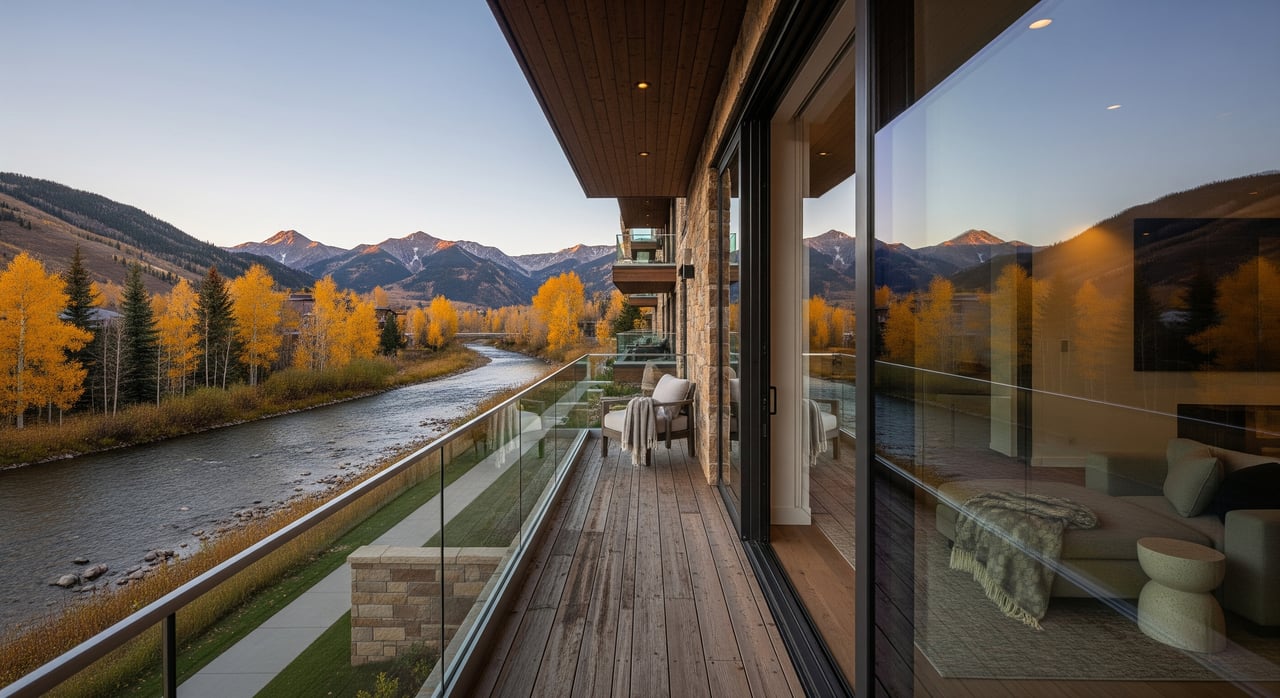
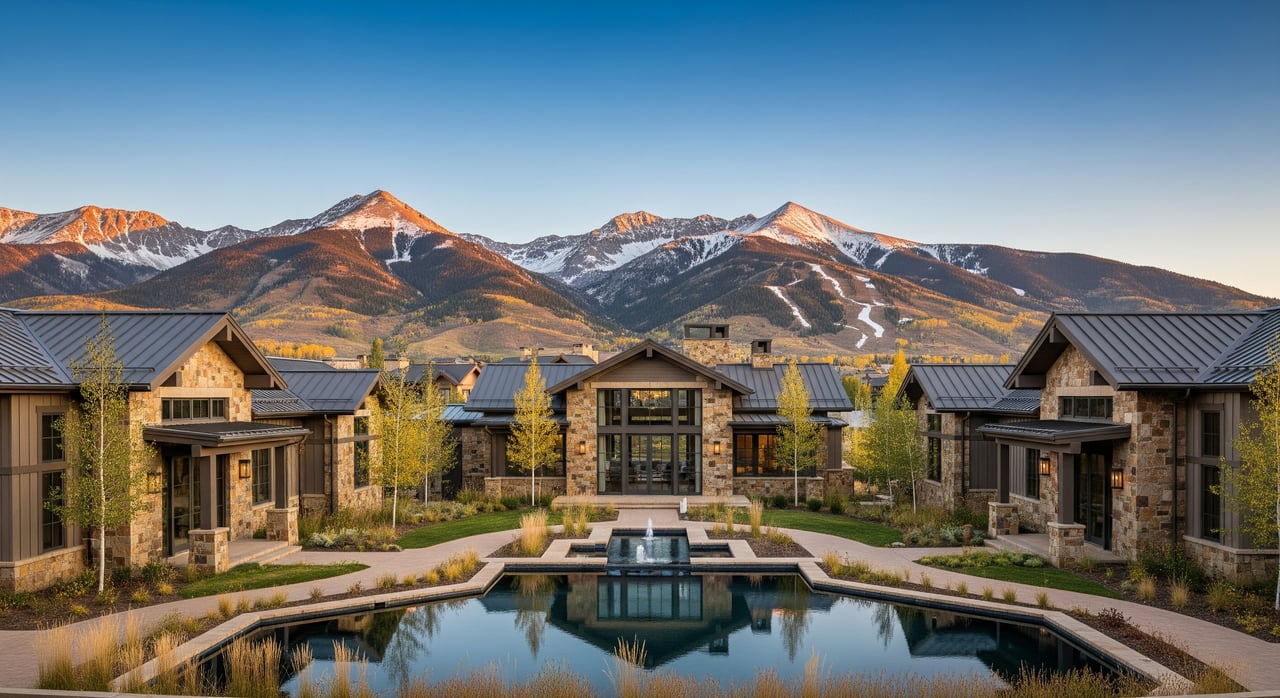
Riverwalk in Edwards refers to town-center, mixed-use buildings along the Eagle River and Edwards Town Center. You get a pedestrian lifestyle near dining, shops, services, and parks. Many owners value being able to leave the car parked and handle daily errands on foot.
You will also see a mix of owners. Some live here full time, others use their condo seasonally, and some rent to vacationers. That mix can influence noise, parking demand, and HOA choices around rental policies. If you want a quiet environment or plan to host short-term guests, this is a key discussion point during due diligence.
Transit is a strong plus. The valley’s highway access via I‑70 makes regional trips simple, and the local ECO Transit network connects Edwards with Avon, Vail, and Eagle. If you rely on public transportation, review ECO Transit schedules and routes to confirm your commute or ski-day plan.
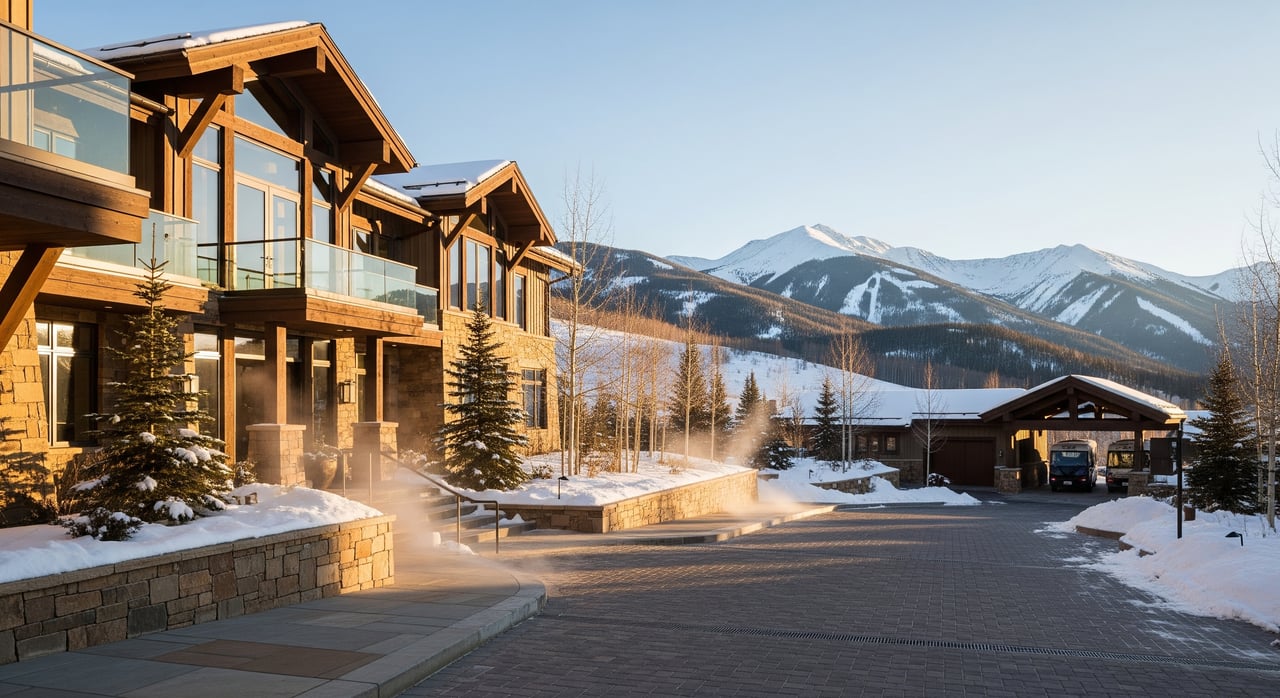
Seasonality matters. Winter brings snow and ice, which shapes sidewalk access, parking logistics, and heating costs. Summer increases foot traffic, outdoor events, and river recreation, which can lift demand for short-term rentals.
Common condo types and features
You will encounter a range of floor plans in Riverwalk-style buildings:
- Studios and one-bedrooms for efficient living or investment
- Two-bed/two-bath layouts popular with couples and small households
- Townhomes, stacked flats, or lofted plans with private entries
- Penthouses and river-view units that command a premium for views and outdoor space
Interior features to expect
- Balconies or decks facing the river, a courtyard, or the street
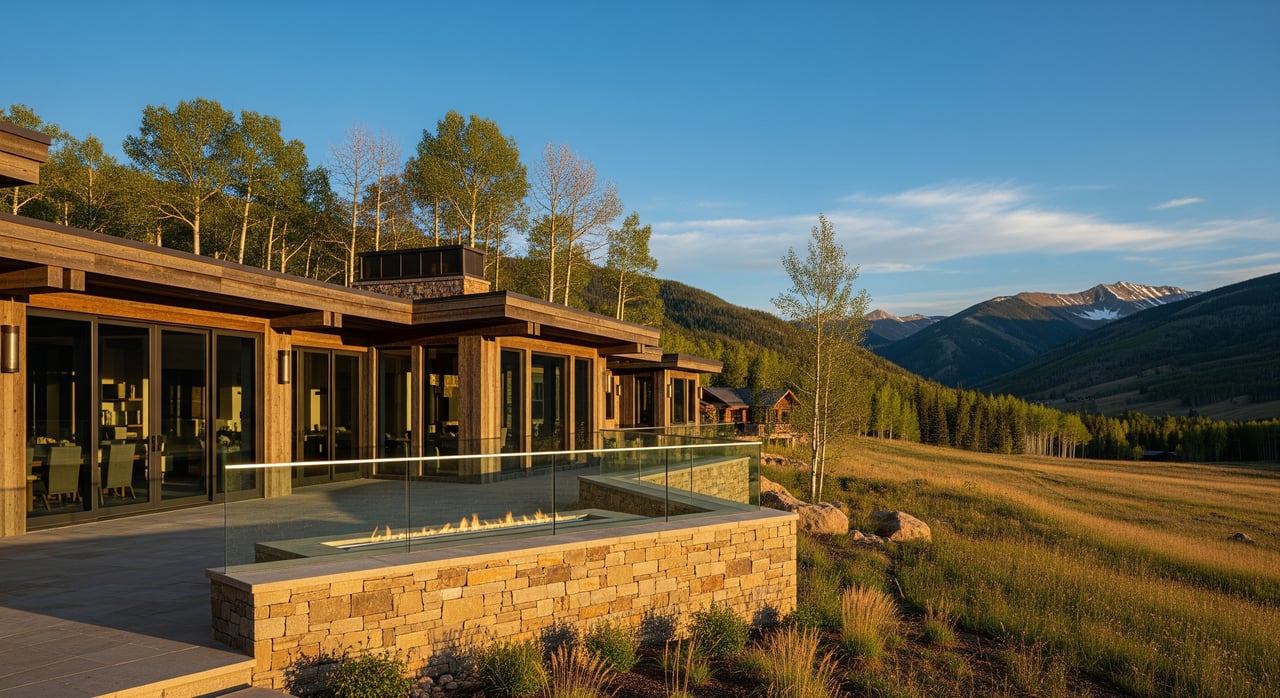
- Gas or electric fireplaces for ambiance
- In-unit laundry or shared building laundry
- Ski or gear storage, often with assigned lockers
- Surface or covered parking, and underground stalls in newer projects
- Elevator service in multi-story buildings
Building-level amenities
- Landscaping and riverfront walks
- Snow removal for common areas and sometimes parking lots
- Fitness rooms, hot tubs, or lounges in higher-tier developments
- Secure entry and on-site or contracted property management
What affects daily comfort
- Entry access. Elevators reduce daily friction, especially in winter.
- Storage and parking proximity. Gear lockers and convenient stalls matter in a resort setting.
- Noise transmission. Shared walls and active town-center settings make insulation and building quality important.
- Orientation. River views and sunny exposure can improve livability and resale.
HOA fees and rules to review
Your HOA documents outline what you pay for and how you can use the property. Plan to request the CC&Rs, bylaws, rules and regulations, current budget, reserve study, master insurance certificate, and meeting minutes. These records tell you what is included, what is not, and whether assessments may be on the horizon.
Typical inclusions (verify per building)
- Exterior and common-area maintenance, including roofs, siding, and elevators
- Landscaping and riverwalk upkeep
- Snow removal in common areas and sometimes assigned lots
- Master building and liability insurance (interior contents are usually excluded)
- Trash and recycling for common areas
- Water and sewer, and sometimes heat in select buildings
- Management fees and amenity access where applicable
Often excluded from dues
- In-unit utilities such as electric or gas, plus cable and Internet
- Interior repairs and appliance replacement
- Personal property insurance. You will likely need an HO‑6 policy.
- Special assessments for large capital projects outside of regular dues
Rules that can shape your experience
- Pet policies, including limits, weight caps, or registration
- Rental rules, including minimum stays, registration, and occupancy limits
- Use restrictions for commercial activity or excessive noise
- Parking assignment, guest policies, and enforcement
- Architectural approvals for exterior changes or flooring
- Storage rules for skis and bicycles
- Smoking or vaping restrictions in units and on balconies
In Colorado, HOAs operate under the Colorado Common Interest Ownership Act. Strong reserves, clear rules, and good governance reduce uncertainty for you and future buyers.
Day-to-day practicalities
Parking realities
Parking varies by building. Some units include deeded garage spaces, while others rely on surface lots or limited street parking. Confirm the exact stall assigned to your unit, guest parking rules, and how snow storage affects winter access. If you drive a larger vehicle, verify garage height and stall dimensions.
Snow, ice, and building systems
HOAs usually handle snow removal in common areas, but you are responsible for moving your vehicle when plows arrive and keeping your stall accessible. Ask whether heat is central or individually metered. In-unit controls and system type influence winter comfort and utility bills.
If you use the condo seasonally, ask about freeze protection. Look for shutoff valves, insulation, and any winterization steps recommended by management.
Utilities and connectivity
Internet and cable options are generally strong in the town center. Still, confirm which providers serve your building and typical speeds, especially if you work remotely or plan to host guests.
Rentals and second-home logistics
If renting short-term is part of your plan, verify whether the HOA allows it, whether local registration or tax collection is required, and whether an on-site manager or local contact is necessary. If you hire a property manager, confirm key handling, access control, seasonal maintenance, and guest communications.
Flood and environmental considerations
Some riverfront parcels lie within FEMA flood zones, which can trigger flood insurance requirements from lenders. Review the property’s status on the FEMA Flood Map Service Center, and ask for any elevation certificates or mitigation records. In spring, runoff can affect low-lying walkways or ground-level areas. Check the building’s drainage, waterproofing, and recent maintenance.
For broader planning and permitting context, you can review county resources through Eagle County Community Development.
Resale and financing factors
What tends to help value
- Prime town-center location with easy walkability
- River or mountain views, sunny exposure, and usable outdoor space
- Deeded parking and private storage, especially ski lockers
- Strong HOA governance and reserves, with few special assessments
- Flexible rental policies and established rental operations for investor appeal
What can hold value back
- High dues without clear inclusions or low reserves that hint at future assessments
n- Restrictive rental rules if income is part of your plan
- Limited or tight parking, especially for larger vehicles
- Ground-floor riverfront units with flood-zone exposure
- Unresolved litigation or large upcoming capital projects
- Poor sound insulation in a busy mixed-use setting
Lending and insurance considerations
Lenders may require condo project reviews that look at owner-occupancy, reserves, insurance, and litigation. If the property is in a designated flood zone, flood insurance may be required and will affect your monthly costs. Master building policies usually exclude interior contents and improvements, so plan for an HO‑6 policy that fits the building’s deductibles.
Your due diligence plan
Use this checklist to move confidently from search to contract.
Request these documents early
- CC&Rs, bylaws, and rules and regulations
- Current budget, recent financials, and the most recent reserve study
- Master insurance certificate and deductible details
- Board meeting minutes from the last 12 months
- List of any current or recent special assessments
- Rental policy and records of rental activity if relevant to your plan
- Any management contract and the property manager’s contact information
Verify property specifics
- Unit history for past claims, repairs, or known issues
- Parking map to confirm your stall and guest policies
- Flood status on FEMA maps and any elevation certificates
- Utility usage for heating and electric to estimate annual costs
- Lender requirements for condo project eligibility
- Internet and cable providers and typical speeds
Walk the site thoughtfully
- Visit at different times to gauge noise and foot traffic
- Inspect windows, doors, balconies, and common areas for water intrusion
- Test access controls, elevators, and garage systems
- Look for drainage problems or pooling near foundations or walkways
- If possible, speak with neighbors about management responsiveness
Red flags to investigate further
- Missing or incomplete HOA financials or reserve data
- Low reserves with aging roofs, decks, or mechanical systems
- Pending or recent litigation involving the HOA
- High delinquency on dues among owners
- Rental rules that conflict with your plans, or heavy rental activity if you want quiet
Work with a local guide
Buying in a resort market comes with extra layers: HOA health, rental rules, flood maps, and seasonal living. You do not have to navigate that alone. With deep Edwards and Vail Valley knowledge, multilingual service, and a concierge approach, we can help you compare buildings, read the HOA story behind the numbers, and align the purchase with your lifestyle and budget.
If you are considering a Riverwalk condo, let’s talk about timing, upcoming listings, and a due diligence plan tailored to you. Reach out to Brooke Gagnon to request a market consultation.
FAQs
What does an HOA usually cover in Edwards town-center condos?
- Many HOAs include exterior maintenance, common-area landscaping, snow removal, master insurance, trash, water and sewer, and amenity upkeep. Always verify each building’s budget and reserve study.
Are short-term rentals allowed in Riverwalk buildings?
- Policies vary by HOA. Some allow short-term rentals with registration and rules, others limit them with minimum stays, and some prohibit them. Confirm the current policy and enforcement before you buy.
Do I need flood insurance for a riverfront condo in Edwards?
- If your unit or building lies in a FEMA flood zone, your lender may require flood insurance. Check the parcel status on the FEMA Flood Map Service Center and request any elevation certificates.
How is parking handled in town-center condos?
- Expect a mix of deeded or assigned stalls and limited guest parking. Garage dimensions and snow storage can affect winter usability. Review the parking map and rules carefully.
What should second-home owners do to winterize a condo?
- Ask about shutoff valves, insulation, thermostat settings, and building protocols for freeze protection. Confirm who handles entry for seasonal maintenance if you use a property manager.
How do condo lending rules affect my purchase?
- Lenders review project reserves, owner-occupancy, insurance, and litigation. Some loans require project or single-unit approvals. Discuss requirements early to avoid delays and budget surprises.